Posted on Leave a comment

Day 6: The Titania

With the recent popularity of YoYoFactory’s hubstack system, it’s a good time to take a look back at some similar yo-yo innovations from the past. Some folks like to point out that yo-yos with free spinning caps or ball bearing tips were being made back in 2002, but nobody has mentioned the Titania yet.

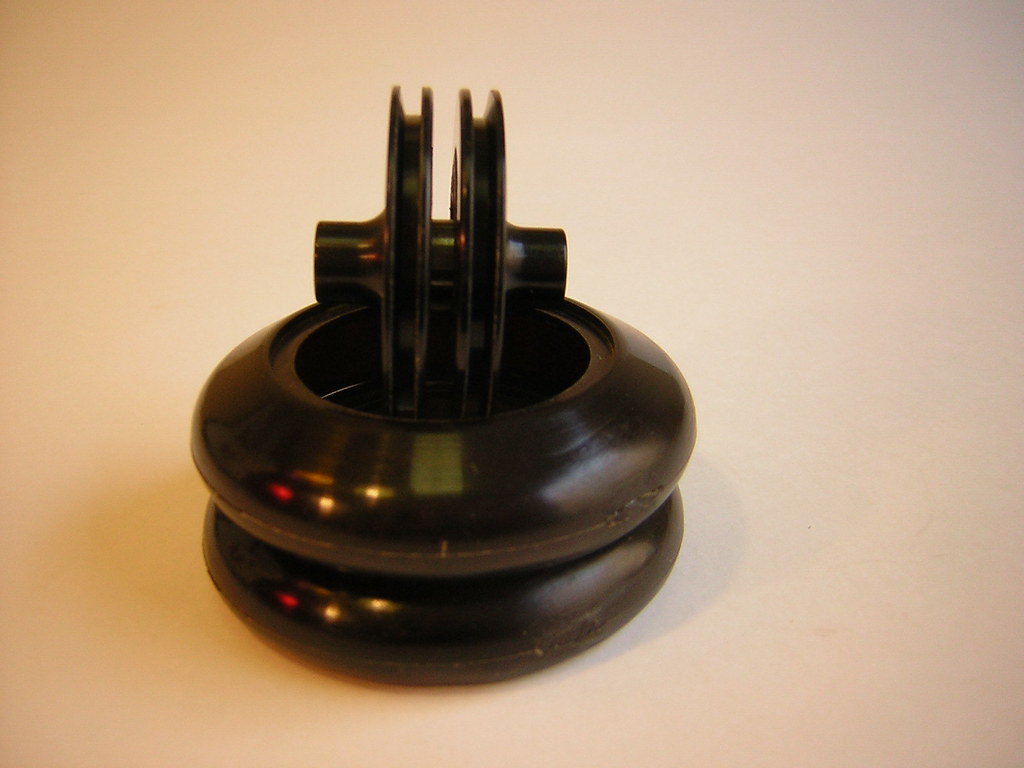
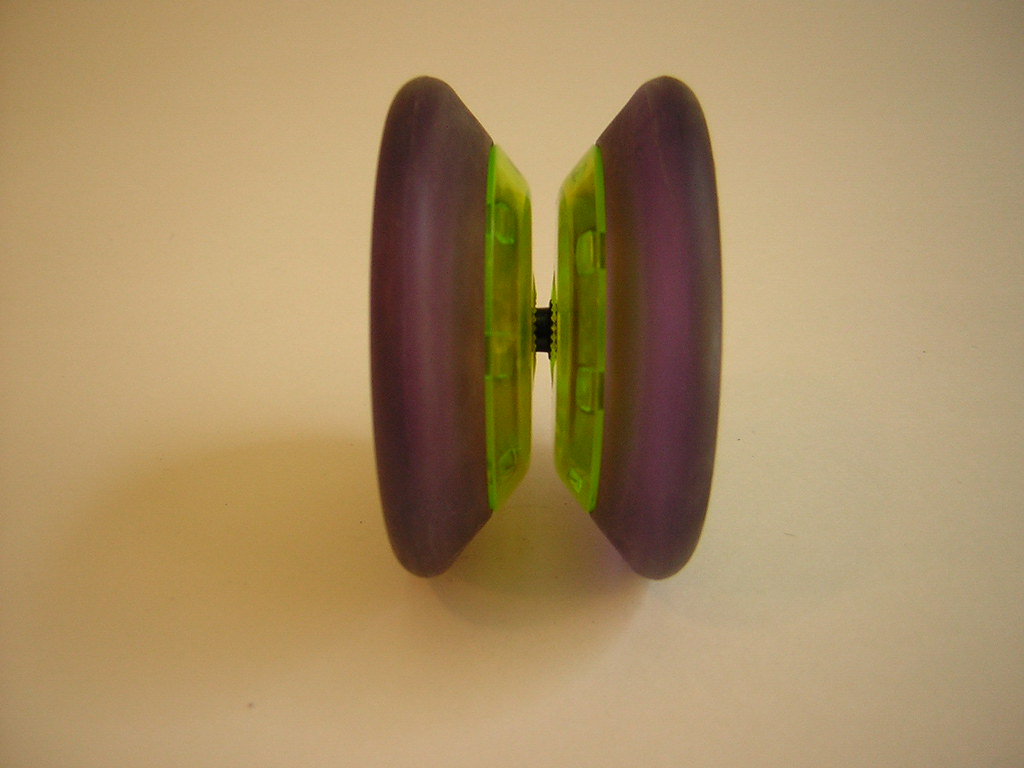
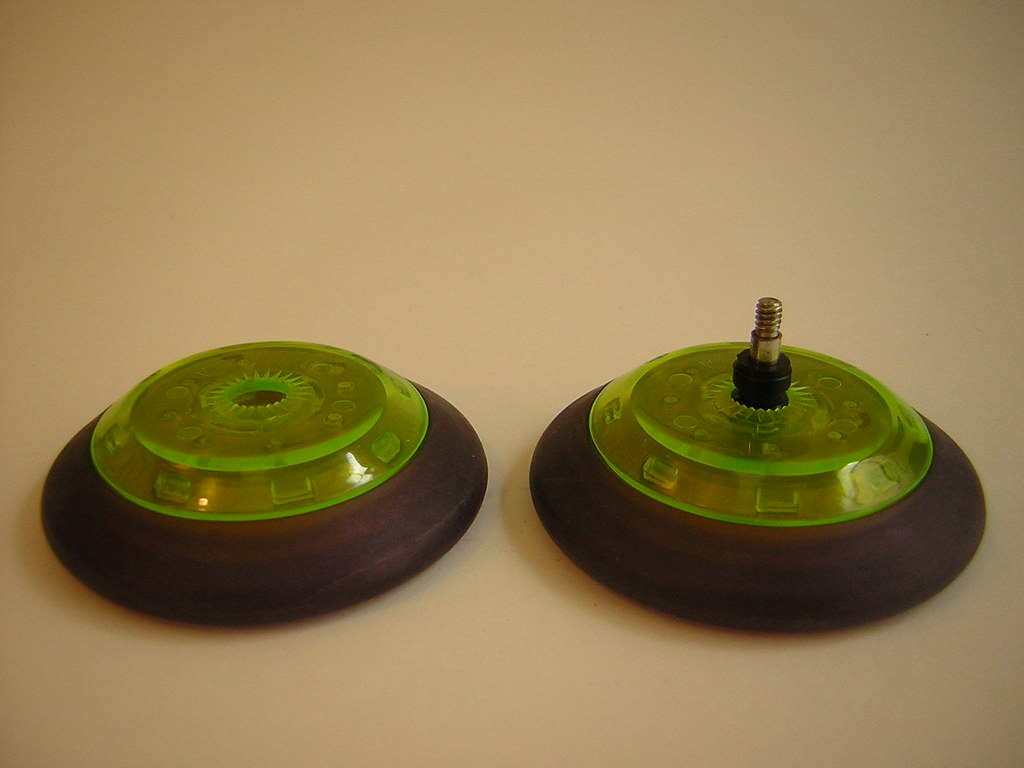
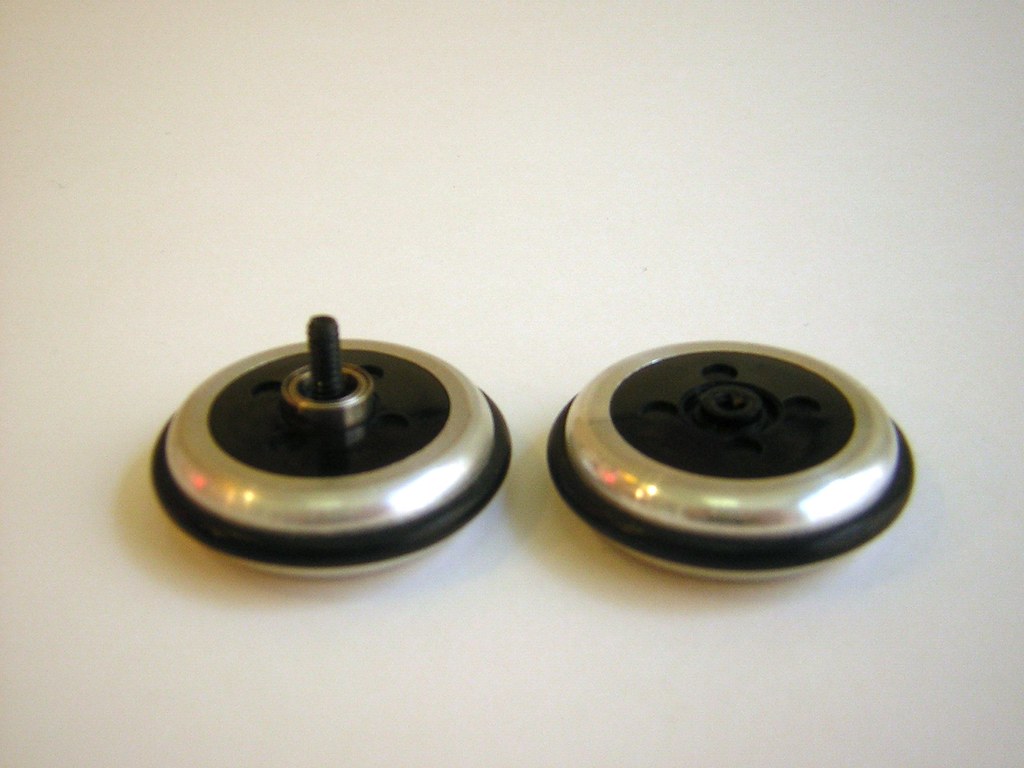
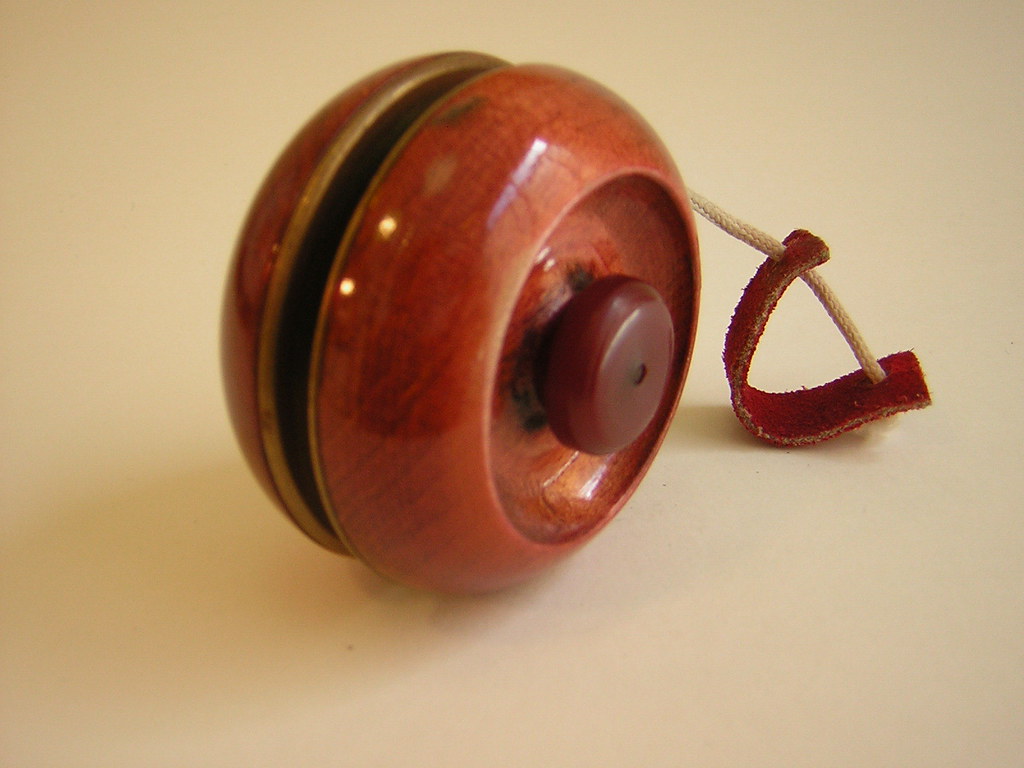
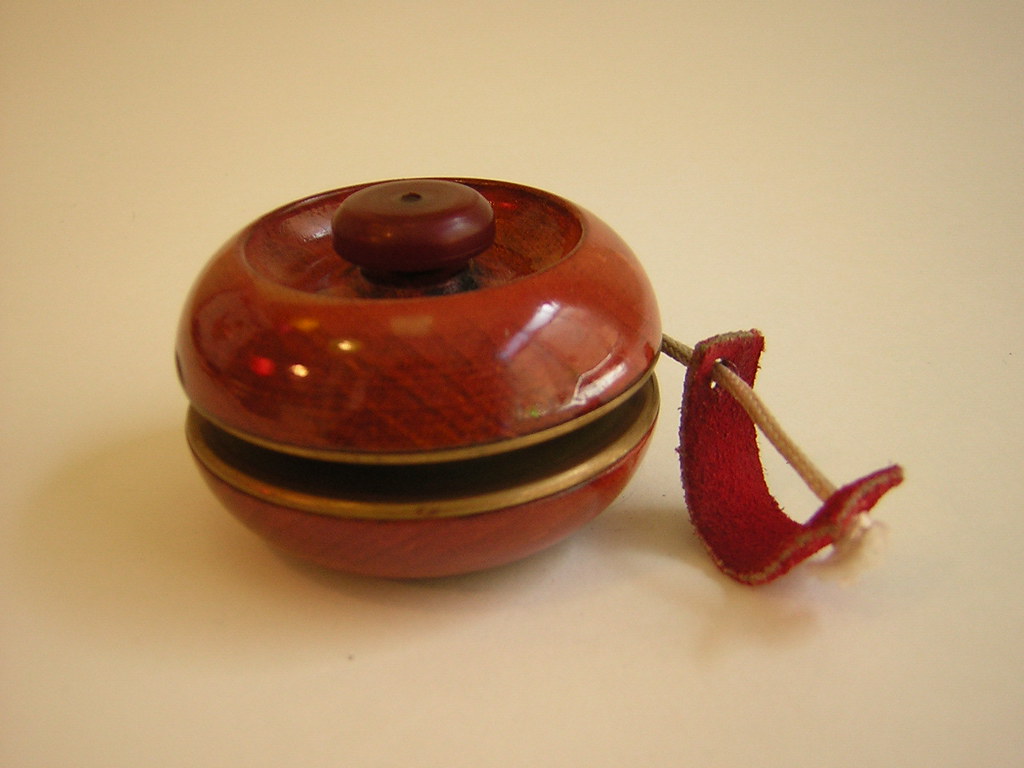
The Titania by Doble Yo-yo was really a head of it’s time. In 1993, the Titania (along with Doble’s Ariel and Calypso yo-yos) became one of the first patented adjustable gap yo-yos. What makes the Titania so noteworthy though is that it is designed from two free spinning halves with a solid axle running through the yo-yo with two knobs attached at either end. Making this the first yo-yo that you could grab by the hubs while it was spinning.

So hubstack and spinning cap mods usually consist of a normal yo-yo with added ball bearings on either side, but the Titania has the same effect by using one extra large axle and two loose halves with holes drilled all the way through.

For it’s time, the Titania was probably something of a modern marvel, although the company never seems to receive much recognition for it’s innovations. As a matter of fact, it wasn’t even until a few years ago that competitors started using the company’s Calypso to break world sleeping records, even though it had already been around for over a decade.

The Titania does not have any ball bearings (which probably could have helped it out), but with it’s heavy weight (120 grams!) and unique trans axle system, it could still out-sleep most (if not all) the other trans axle yo-yos of it’s time. Due to the yo-yos weight, it used a very thick cord that was tethered to a small free spinning brass sleeve. The cord was also equipped with a leather finger loop.

By today’s standards, is a cool looking, but clumsy yo-yo with a narrow gap (in fact Doble has never made a butterfly yo-yo), but the idea of a solid post with free spinning halves could still be a good idea. When you try to grab the hubstacks on an 888, you are grabbing parts that are moving and stopping them. Even with good ball bearings this is going to add more drag on the yo-yos momentum, but with a solid axle, the hubs are never spinning… so they are easy to grab and don’t add any extra friction to the yo-yo when they are held.

I recently checked and Doble is still quietly making their beautiful yo-yos, please check out their site, www.dobleyoyo.com.

And here is a great collection of yo-yo patents online.
Posted on 6 Comments

Day 5: The AXL Elite

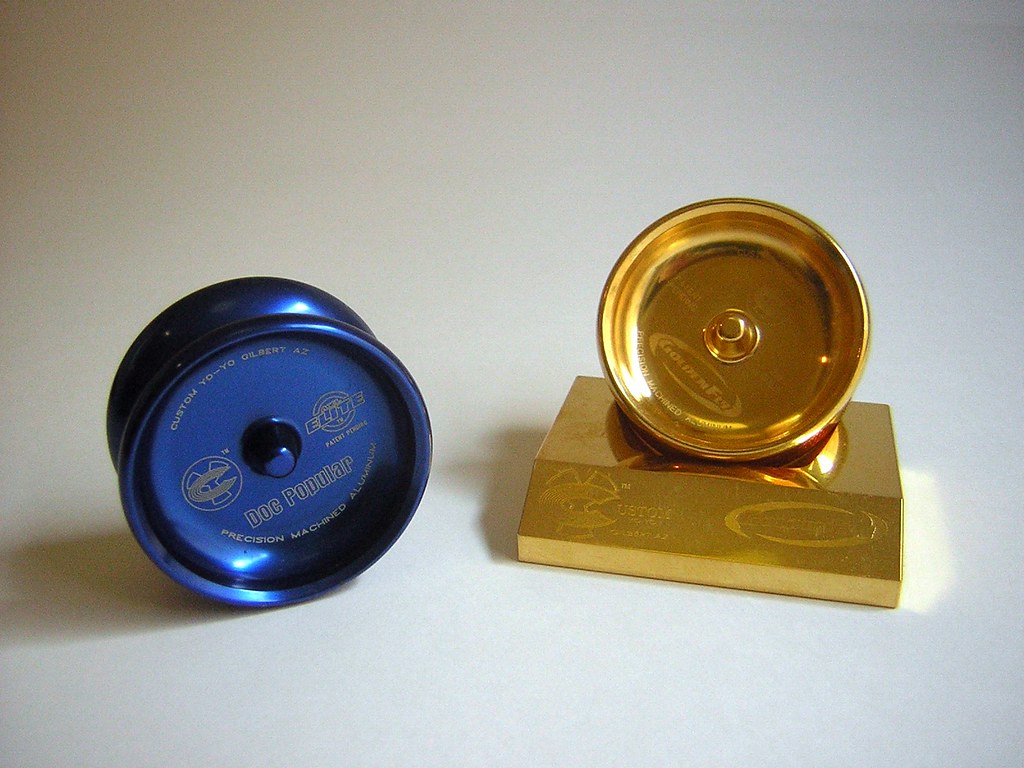
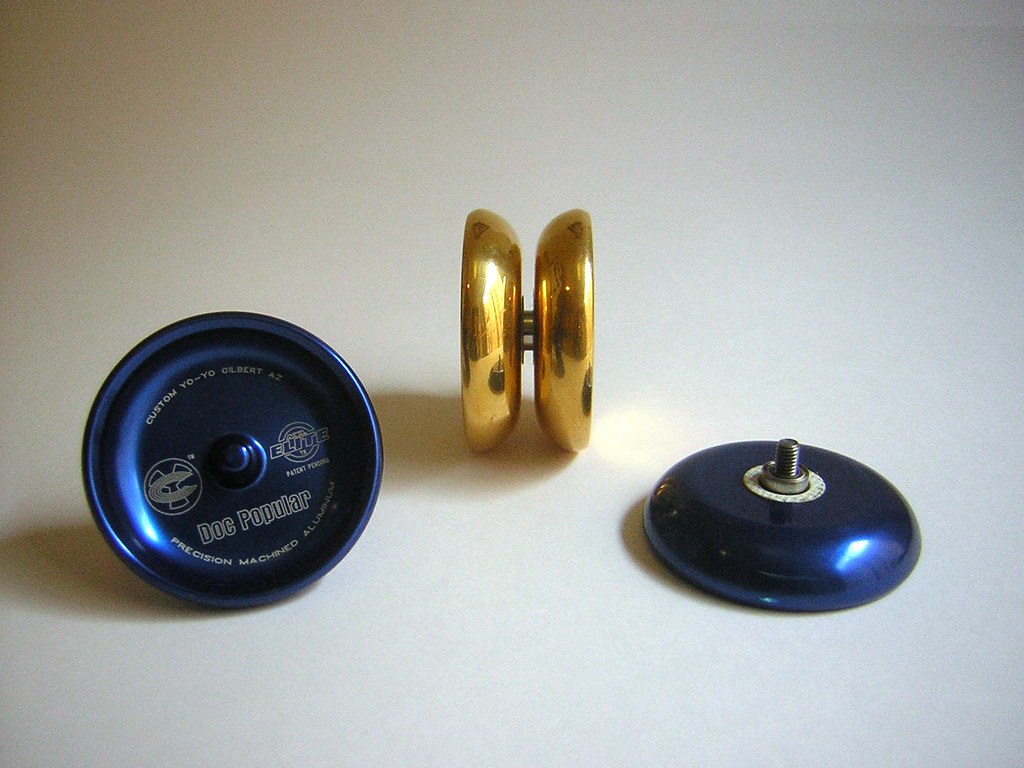
The AXL Elite, by Custom Yo, was a very unique yo-yo. At the time of it’s release, Custom was most known for it’s MAG yo-yos, a series of aluminum yo-yos that were designed to resemble exotic car wheels. These MAG yo-yos, like most other aluminum yo-yos, where heavily rim-weighted for longer spins.

So it was surprising that when the AXL Elite was released, Custom had decided to try to make a very lightweight aluminum yo-yo with no added weight along the outer rims. The theory being that although rim weighting a yo-yo slows it’s rotational speed (thus lengthening it’s sleep time) a heavy yo-yo requires more energy. So Custom created a very light yo-yo that wouldn’t require as much energy to keep spinning.

It works. At only 42.1 grams, the Custom AXL Elite is even lighter than most mini yo-yos (including Custom’s own Chain Reactor which weighs 49 grams), but it outspins most yo-yos in flat sleep time. However the AXL Elite did tend to lose spin quicker than most rim weighted yo-yos. I think it’s narrow gaps and grip-y pads were largely responsible for this.

With bind return yo-yos becoming more and more common, I’d like to see another attempt at the less is more mentality in yo-yoing. A wide gaped & ultra light butterfly yo-yo could really take the gold.

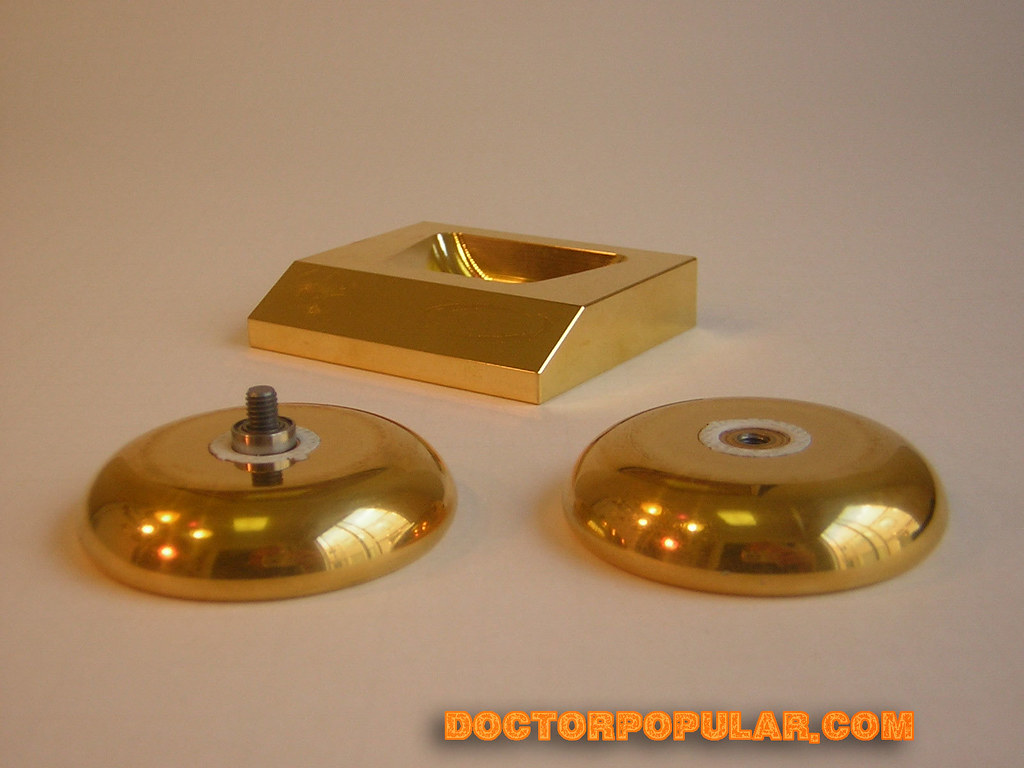
Speaking of [how’s that for a segway?], today’s blog is a two for one as I also wanted to mention Custom’s gold plated version of the AXL Elite, the Golden Fly. This 24k beauty came packed with a matching stand (as do most Custom Yo-yos). I just realized that although Custom no longer manufactures yo-yos, they apparently do still offer them through their site!

Posted on Leave a comment

Bungee String

Sorry if my last post seem ed a bit “rambly”. I had a 5 hour yo-yo gig that day, so I wanted to write it in the morning (in case I wouldn’t have time later that day to blog).

Speaking of that gig, I was absolutely thrilled to wake up this morning and not be sore. Lucky me, I was really worried I might have overworked myself.

During my last visit to Minneapolis, Josh asked me to try one of his new yo-yos which happened to have Bungee String on it. Bungee String is the creation of Mathew Thoemke (aka YoYoFargo) and is created out of nylon blends. Mathew sent me a sample many months ago, and I thought it was fun but not really my style. When you first try it out, Bungee String is extremely stretchy which makes eli hops really fun, but consistent play is a bit difficult. After a few hours I put the string away and didn’t really mess with it again. Josh, on the other hand, kept playing with his Bungee for a month before I tried it.

I usually change string every half an hour of solid play, but Bungee String actually gets better with age. It retains it’s smoothness, but the elasticity goes away, making it play more like an ordinary piece of string. As a yo-yo performer, who often does day long walk around performances, this string is ideal, so I pulled my piece of Bungee String out yesterday morning and used it all day. Not only did it keep me from constantly changing my string, but I’d also credit it with preventing any new string burns.

I believe the only place to get Bungee String from is Joe Mitchell’s Train and Beanie Baby store in Deleware, let me know if I’m wrong though.

BTW, my eBay auctions will all be ending within the next 24 hours.

Posted on Leave a comment

Day 4: The Mongoose

With the demise of Pro-Yo (also known as Playmaxx) several years ago, so too has the reputation of the once giant yo-yo manufacturer faded. Although the company, which was original founded by Donald Duncan Jr., set new standards for sponsored yo-yo professionals and yo-yo innovations, what most of us (at least the ones that have been yo-yoing for over 6 years) remember is Tom Van Dan Elzen.

Tom, the company’s owner, had a penchant for lawsuits and a reputation for holding deep grudges. For whatever reason, Tom developed a grudge against the German yo-yo manufacturer Henrys. I was working for Henrys US distributor at the time, and none of us could figure out what bee got up Tom’s bonnet. After all, Henry’s was pretty much the most innocuous company around.

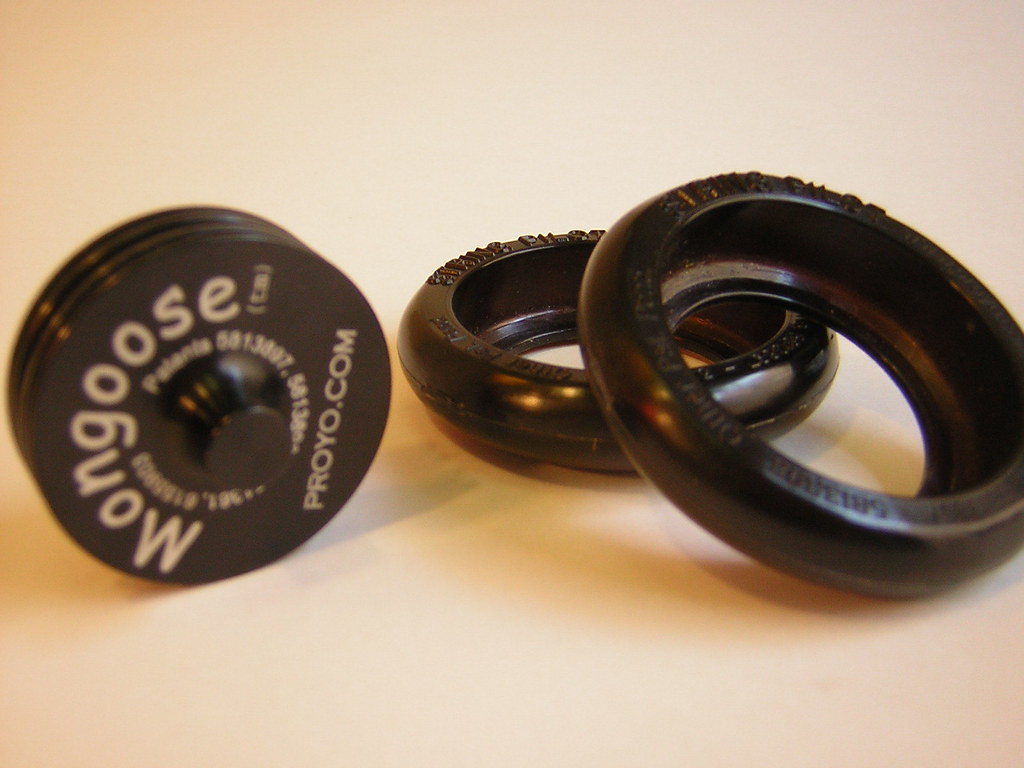
It was during that time that Tom released The Mongoose. This was a metal yo-yo hub that was the same size as the hubs on a Henry’s Viper and even accepted the Viper’s rubber shells.

But Tom claimed that any similarities between The Mongoose and the Viper were coincidental and that The Mongoose was just a mini yo-yo… a very terrible mini yo-yo… That just happened to perfectly fit into Viper shells… and was named after the natural enemy of the snake.

Of course he had to deny it because Henry’s had a patent on the method of attaching the rubber shells to the yo-yo. He wasn’t selling a Viper hub with brake pads… he was selling a “Mini Yo-Yo”. I once had a conversation with Tom were he bragged about suing companies for stealing his patents while simultaneously expressing shock that Henrys was upset about the release of his patent infringing Mongoose.

What made the whole thing even more unbelievable was Tom’s plan on releasing his own set of rubber shells to fit onto Viper hubs. The String Pilot shells, which were rubber versions of the Bumblebee GT shape, never got released. I assume that if the String Pilot shells ever would have gotten released, they would have been sold as “paper weights” or something.

I’ve always prided myself on being one of the premiere “Viper Knock-off” collectors out there… and this is definitely the peak of that collection, but I’ve put the String Pilot shells and Mongoose on eBay to help raise money for a new computer.

Posted on Leave a comment

Day 3: Mo-Jive

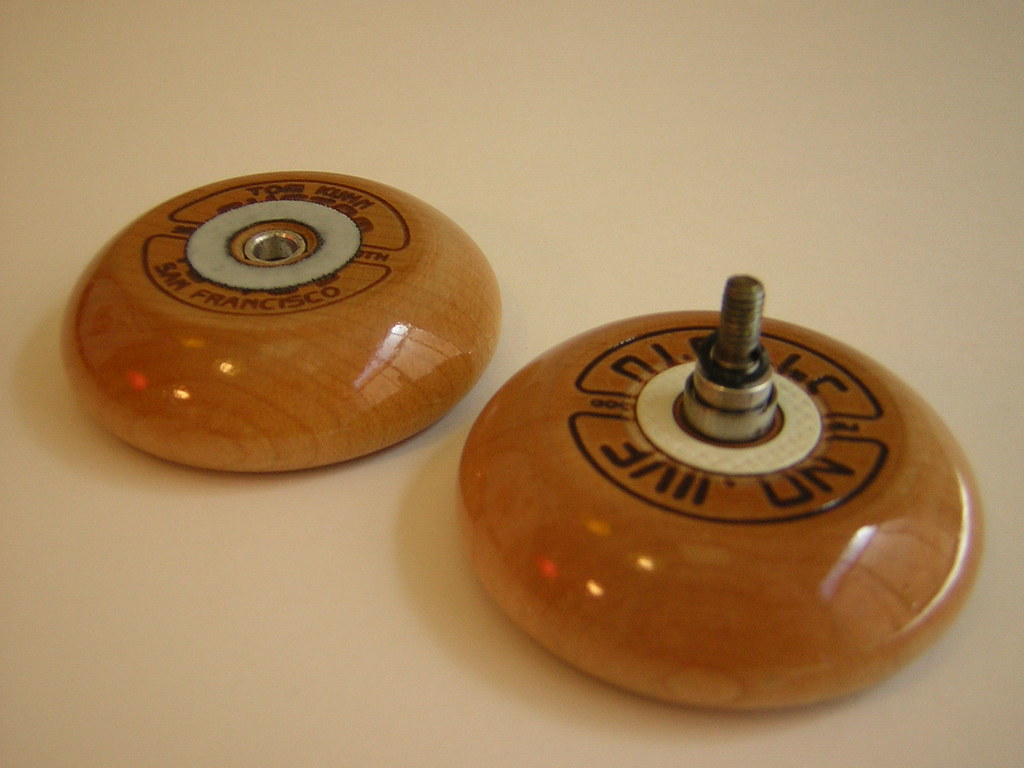
The Tom Kuhn No-Jive was one of the earliest take apart yo-yos. It’s a reversible shape yo-yo (it can be altered from a wide gap shape to a narrow body shape) with a removable wooden axle.

It’s a classic yo-yo that, along with the Silver Bullet, brought on the era of the modern yo-yo.

One day I was talking to Dr. Mo on the phone about how the SuperYo Renegade was such a rip off of the No-Jive. Somewhere along the conversation Mo offered to mod a No-Jive into a ball bearing yo-yo for me. So I shipped him a No-Jive and a Renegade.

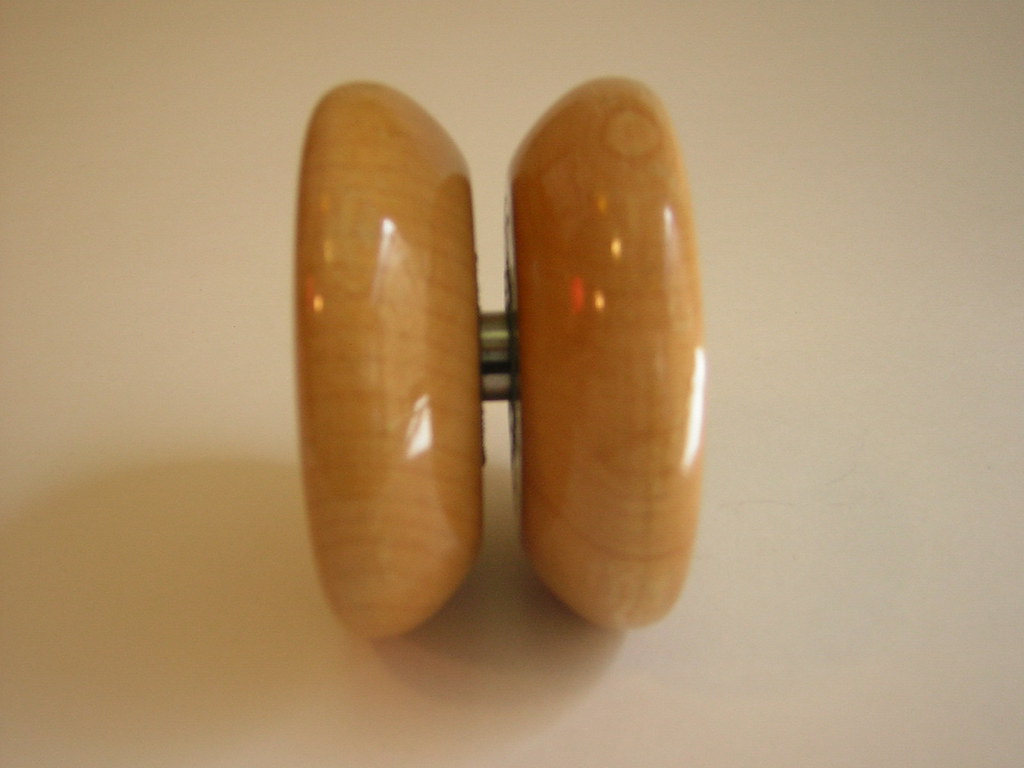
The mod wasn’t as easy as just switching the guts, in fact I’m very impressed as I look at all the work Mo did that I never noticed. Obviously the friction stickers are recessed, a necessary step since Renegade gaps can’t be made wider. He also had to add some metal tubes for the bolt to slide through. I do believe the axle itself is the original axle though.

The yo-yo still has a “wood” feel to it, but it plays great with ball bearings. Actually, I think Dr. Tom should sell these himself. A Tom/Mo collabo. TomMo? MoTom?

This is on eBay right now btw.

Posted on Leave a comment

Day 2: Yomega’s Zero-G

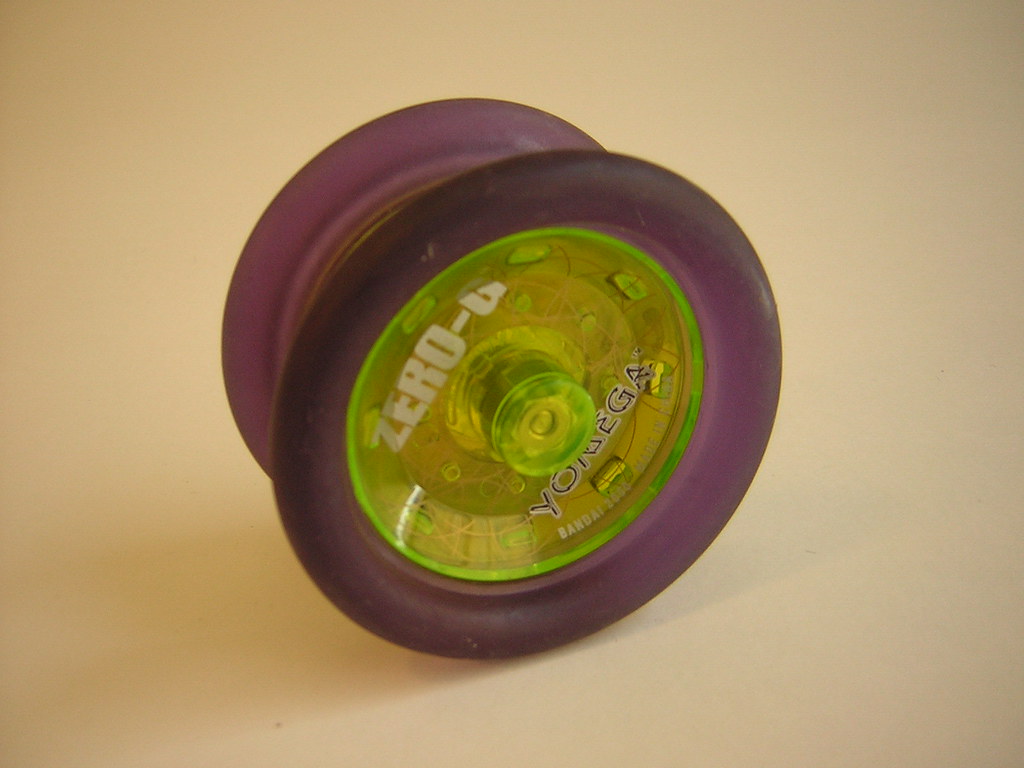
The Zero-G was a highly anticipated offstring yo-yo that never actually hit the market. It was one of Yomega’s first attempts at creating a rubber shelled yo-yo, a effort that would again appear in their Xodus, Crossfire, and Lancer.

Friction stickers and rubber shells seemed to be the two patented items that everyone wanted. Just as companies were trying to work their way around the friction brake pad patent, many were also trying to get around Henry’s patented removable rubber shells patent.

Yomega’s idea was simple, don’t make the shells removable. Which also solved the problem of how to work with soft rubber without it flying off of a high spinning yo-yo. the Zero-G’s plastic shells are assembled over the rubber shells, locking the shells in to place and making removal of the shells impossible without dis-assembling the plastic body.

Those who are familiar with the new “soft-core” process that Yomega are doing with yo-yos like the Crossfire, you may notice similarities between the assembly of the Zero-G and that of the Crossfire.

The biggest technical flaw with the Zero-G would have to be it’s trans-axle system. Yomega decided to use a trans-axle system similar to the Fireball (probably to save money), but the Zero-G’s trans-axle was much narrower. Meaning you couldn’t exchange it’s parts with a fireball or any of their ball bearing yo-yos. Around this time, Yomega really seemed to be into making all their systems incompatible. They didn’t want you to be able to buy a fireball, through in some bearings, and make your own Raider. The parts were all propietary, so that Yomega had full control of their yo-yos. Ultimately, Yomega released that making all their parts inter-changable would only help their sales (open source yo-yos), but not in time for the Zero-G

This one is on eBay right now.


Posted on Leave a comment

Day 1: The Philip Travelant MiniJam

In 2001, yo-yo companies were clammering for novel new ideas for a yo-yo. A few companies decided to try to out-do each other by creating the smallest playing yo-yo that they could. The first miniature transaxle yo-yo would undoubtedly have been the Mini Screwball, a Japanese yo-yo that was a narrow body design and just a little larger than a quarter. About a year later, YoYoJam, ProYo, and Tom Kuhn would all have their own entries in the mini market.

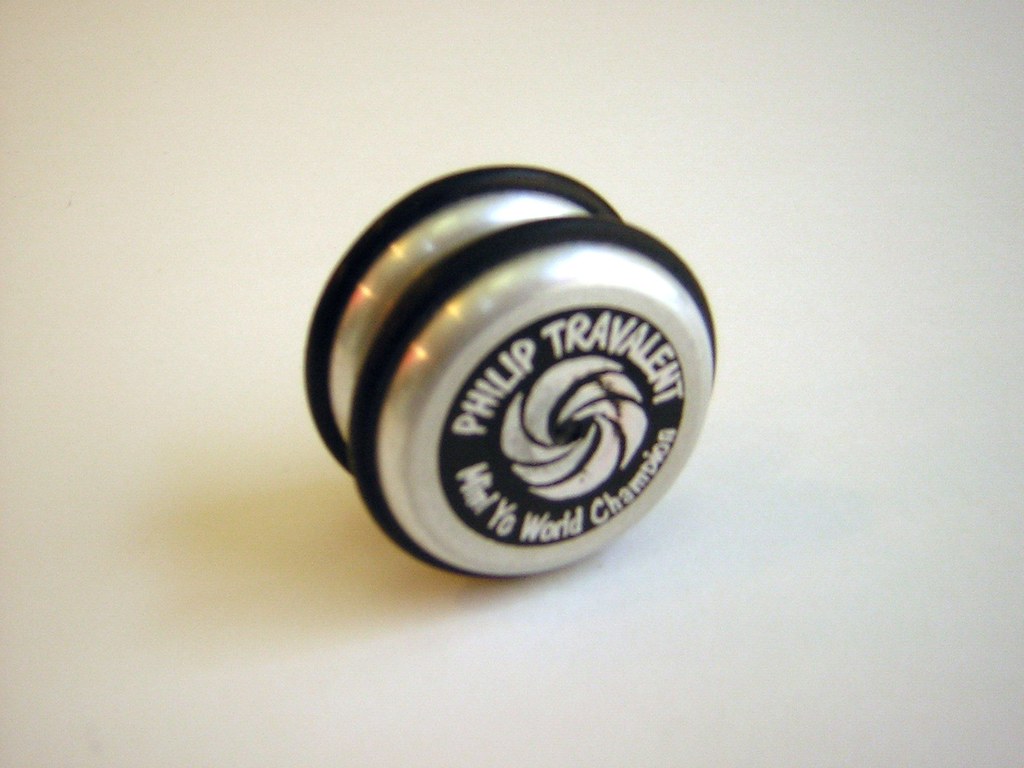
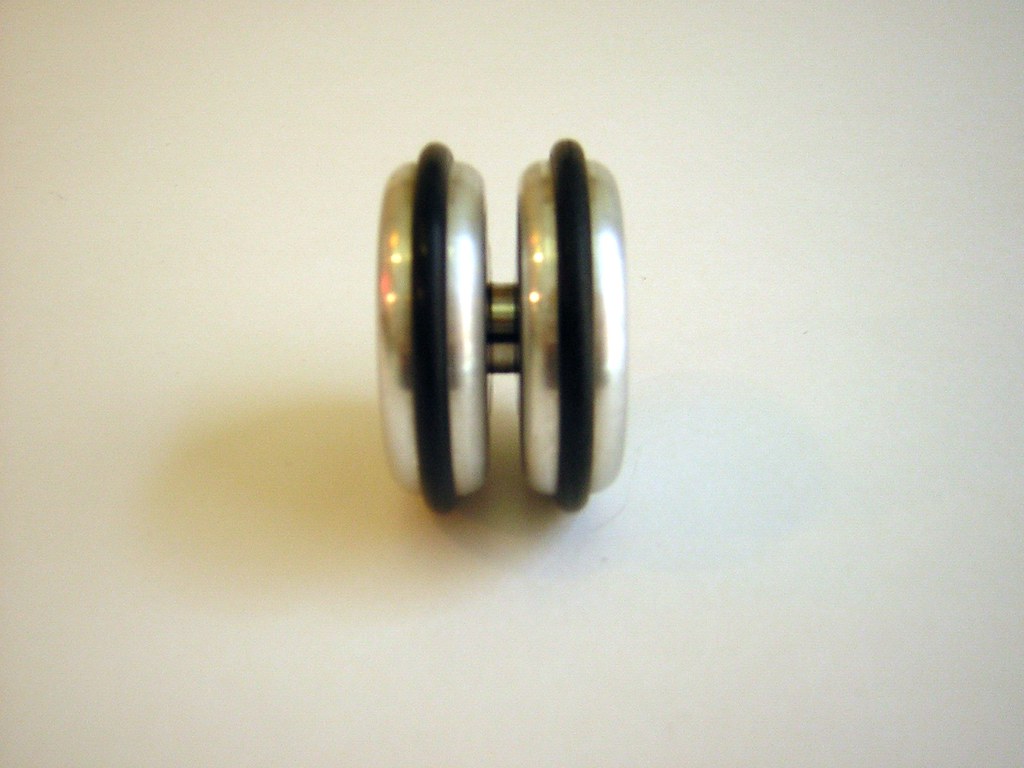
YoYoJam’s model, the MiniJam, was in my opinion the best playing of all the other models. It has a plastic hub and aluminum weight rings (as opposed to ProYo’s and Tom Kuhn’s all metal minis) and pointless rubber rings that seemed to be the hallmark of YoYoJam in those days.

The MiniJam was equiped with their “B” size bearing and negative starbursts.

It was one of YoYojam’s earliest signature series, brandished with Philip Travelant’s name on the side and the phrase “Mini Yo World Champion” underneath it. I believe that title refers to a contest that either WindWizards or YoYoJam ran were competitors entered using only miniature yo-yos.

This MiniJam is up for eBay auction here.

My buddy Shawn has posted videos of young Philip here.

Posted on Leave a comment

After 28 Days of talking about it…

With the newest batch of my yo-yos on eBay, I’ve decided to finally start my 28 Days of Yo project that I’ve been talking about on YoYoWiki Radio for some time now.

The basic goal of the project is simply to post some cool pictures of a bunch of yo-yos in my collection and share some history or personal stories related to those pieces.

In case anyone is wondering why Doc is suddenly selling off all of his most prized yo-yos, the answer is simple…. My laptop is dying/dead. So I’m doing the unthinkable (selling prototypes, etc…) to raise money for a new laptop. What type of laptop really just depends on how much I make off the auctions.

Posted on Leave a comment

How to Mod a Bolt Yo-Yo… and Maker Faire


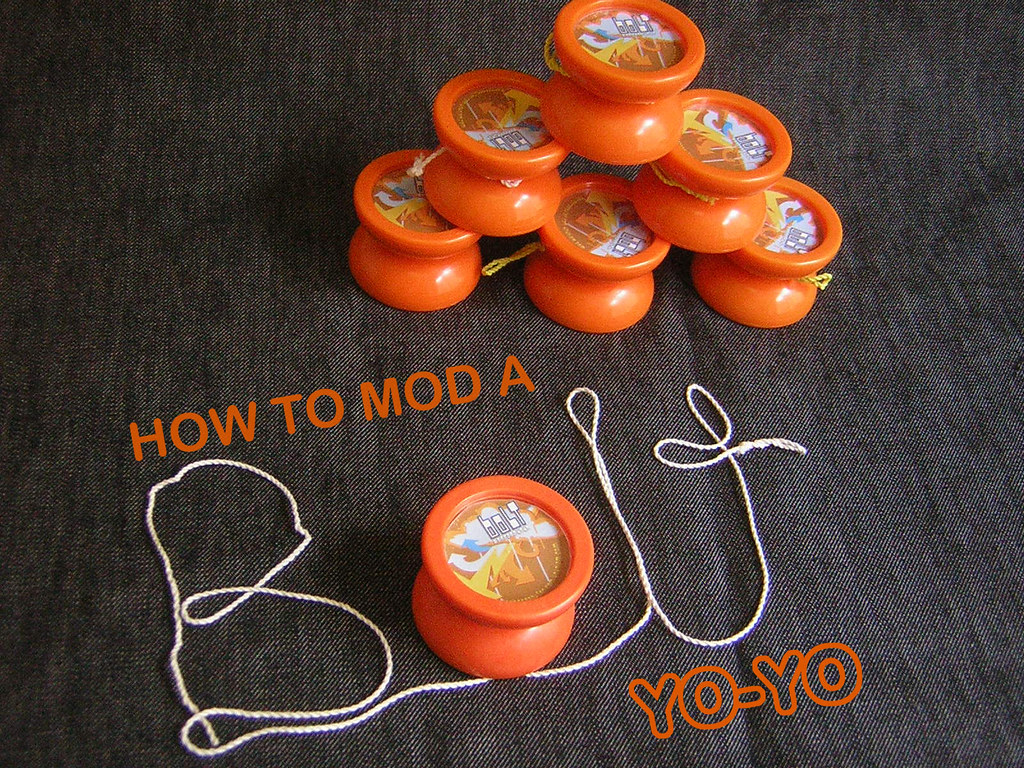
I sell a lot of modified Bolt’s through this site, but I always like to help teach folks how to modify their own yo-yos, so I’ve published How to Mod a Bolt Yo-Yo on Instructables.com.

Any feedback is always appreciated. I’d love to see more yo-yo instructables.

For those of you in the Bay Area, I’ll be doing a yo-yo demo and a yo-yo workshop at the Maker Faire this weekend. If you are at the Faire, stop by and say hi.

Posted on Leave a comment

Coming to Minneapolis

I have been booked for a performance at this year MONDO in Minneapolis.

MONDO is this nice big juggling festival that happens this time of year in the Twin Cities. Unfortunately this will take me out of the Bay Area during BAC, but if you live in Northern California, you should still be sure to catch that.

I’ll be teaching a few workshops and performing on the Main Stage for MONDO’s open to the public event. I will also have yo-yos, comics, and clothes for sale and will hopefully be running a Yolympics contest.